What Happens When You Think Everyone Is Judging You
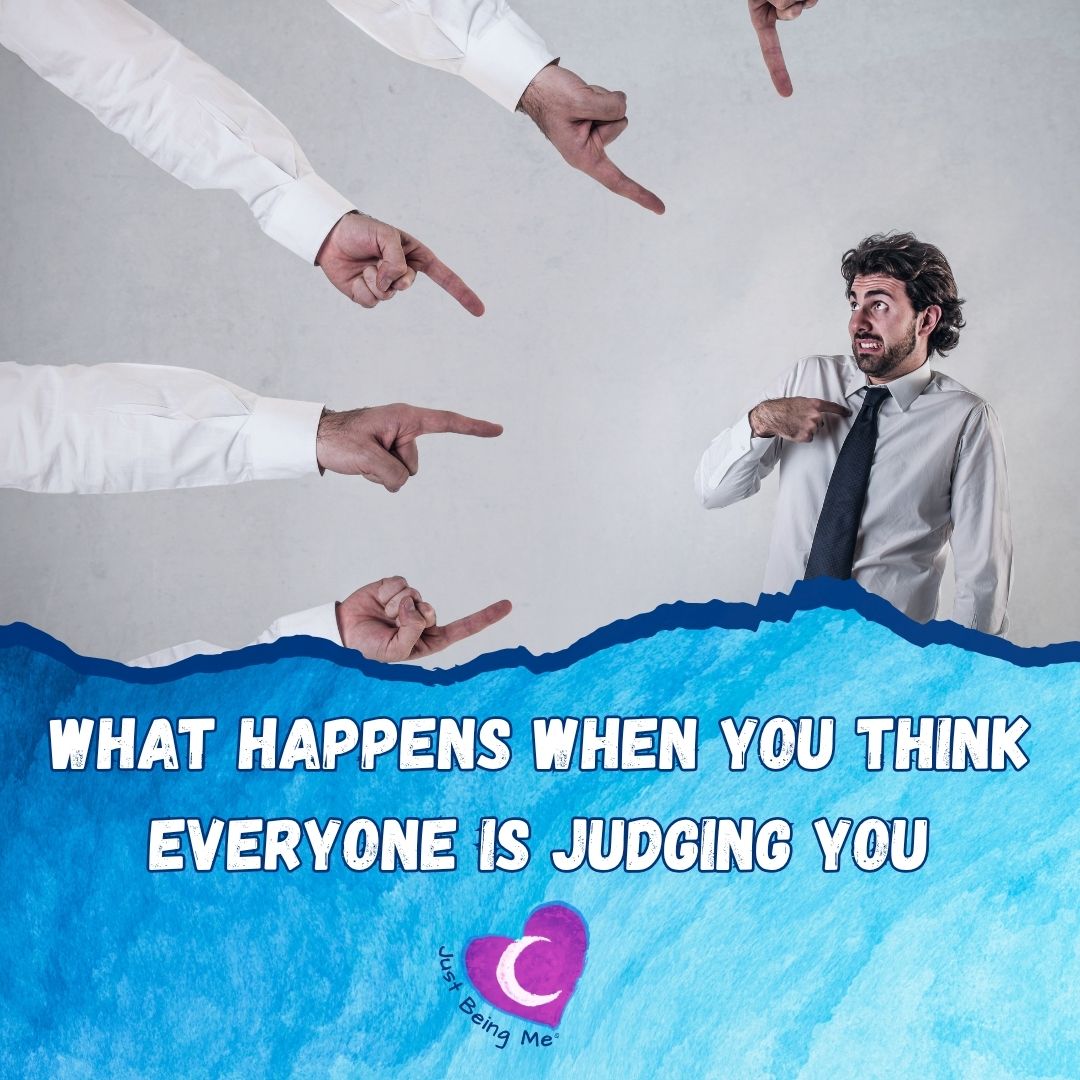
There is a difference between being judged and thinking you’re being judged. One is something that is actually happening. Someone says something, pulls a face, makes a comment or gives you a reaction that tells you they have formed an opinion. The other is what happens in your head before anything has actually been said.
You walk into a room and wonder what people think of you. You write a post and think about who might see it. You want to say something but stop because you imagine how it might sound. You get a message back and start wondering if the tone means something. Before anyone has said anything, you're already thinking about what you’ve done wrong, what they might think of you and whether you should have said or done something differently.
This is the part that really affects your mental health. Because when you think other people are judging you, you don’t just have one thought and move on. You start changing how you behave. You hold things back, you say less, you explain more, you avoid posting, you don’t ask the question, you don’t put the video up and you don’t say what you really think because you’ve already imagined what someone might think of you.
And when you’re doing that all the time, it takes a massive amount of energy.
I know this one well. For a long time I didn’t want to post videos. At first it was a general feeling of what will people think of me. Then it became more specific. I was able to post in private groups but not on my main profile. Then it became about two particular people because I’d heard them judge other people massively.
So before I’d even posted anything, my brain had already created the reaction for me. I imagined what they might say. I imagined how they might judge me. I imagined how it might feel if they saw me and decided something about me. Nothing had actually happened, but I still felt it.
That is one of the links between judging other people and thinking other people are judging you. When you’re judging others, there is usually a part of you wondering if people are judging you too. It is worth asking yourself, am I reacting to them or am I also thinking about how I would be seen in this situation?
That is what happens when you think people are judging you. Your brain reacts to what might happen as though it already has. That can stop you from doing things that actually matter to you. It can stop you from speaking, from showing up, from asking for support, from sharing your work or from letting people see who you really are.
And the difficult part is that it can feel sensible at the time. It can feel like you’re protecting yourself. It can feel like you’re avoiding embarrassment. It can feel like you’re being careful. But if you’re always trying to avoid being judged, you start making decisions based on what you think other people might think of you.
You don’t choose from what feels right for you. You choose from what feels safest to other people. That is exhausting, especially if you’re neurodiverse, rejection sensitive or you’ve experienced trauma and had years of being misunderstood, corrected or told you were too much.
Because then your brain is already looking for signs that you’ve got it wrong. Someone doesn’t reply and you wonder what you’ve done. Someone looks distracted and you think it is about you. Someone gives a short answer and your brain starts filling in the gaps.
And the gap fillers are not usually kind. They are usually full of all the things you have been scared people think about you. That you’re too much, that you’re annoying, that you’ve said the wrong thing, that they don’t like you or that you’ve made yourself look stupid.
This is why thinking others are judging you can have such a big impact on your mental health. It doesn’t stay as one thought. It becomes replaying conversations, avoiding people, checking your phone, not posting, saying yes when you mean no and trying to be the version of you that you think will be judged the least.
And that version is usually no longer the real you. You become careful with your words, careful with your reactions, careful with your needs and careful with how much space you take up. After a while you can start to feel like you don’t even know what you think anymore because so much of your energy is being used to work out what everyone else might think.
That is not just overthinking. That is mental load. It is your brain constantly trying to work out if you’re safe, liked, accepted or about to be rejected. And when you’ve lived like that for a long time, it can feel normal. You might not even notice how much you’re adjusting yourself. You might only notice that you’re tired, anxious, irritable or that you don’t want to be around certain people or certain places.
This is why awareness matters. When you become aware that you are reacting to what you think might happen, not what has actually happened, you can start to separate the two. You can ask yourself, ‘Has this person actually judged me or am I just expecting them to?’ You can ask, ‘Is there actual evidence here or am I reacting like I have done something wrong because that’s what I’m used to feeling?’ You can ask, ‘Am I choosing this because it feels right for me or because I am trying to avoid what someone else might think?’
Those questions matter because they bring you back to what is actually happening. You notice the thought, you notice the fear and you notice the behaviour that comes after it. Then you get to choose what you do next.
That doesn’t mean you suddenly stop caring what people think. Most people do care to some degree because we’re human and being accepted matters. But there is a difference between caring what people think and letting what you imagine they think make your decisions for you.
That was the shift for me with posting videos. Eventually I thought, I don’t care what anyone thinks, I want to do what is right for me. That didn’t mean I suddenly felt fine about it. It meant I noticed what was happening and made a different choice. I stopped letting two imagined opinions decide what I was allowed to do.
And that is the bit I want you to notice for yourself. Where are you stopping yourself because you think someone might judge you? Where are you holding back because of something no one has actually said? Where are you reacting as though you have already been judged when there is no actual evidence that you have?
Because the judgement you imagine can still affect you. It can still stop you and it can still make you act less like the real you. But once you see it, you don’t have to automatically obey it. You can pause and ask what is actually happening now. You can look for evidence. You can choose whether this is a real risk or an old feeling.
And sometimes there will be actual evidence. Sometimes someone has said something, done something or behaved in a way that shows you they aren’t someone you feel comfortable around. That is different from imagining judgement where there is no evidence.
That is where choice begins. Not because the fear disappears, but because you are no longer letting the fear make every decision for you.
If this has resonated with you, you’ll already be thinking of times you’ve held yourself back because of what someone might think. And if you want to go further with this, this is exactly the type of thing we discuss in the membership, what it is, how it affects us and how we want it to feel in our lives.