Understanding How Patterns of Behaviour Are Created When You’re in an Unhealthy Relationship
When you’ve been in an unhealthy relationship, it’s not just the memories that stay with you. The behaviours, the reactions, the beliefs about who you are and what you deserve often linger long after the relationship ends. These patterns of behaviour don’t appear out of nowhere. They’re formed over time, shaped by repeated emotional experiences that teach your brain what to expect, what’s safe, and what’s not.
Let’s start by understanding what an unhealthy relationship actually is.
What Is an Unhealthy Relationship?
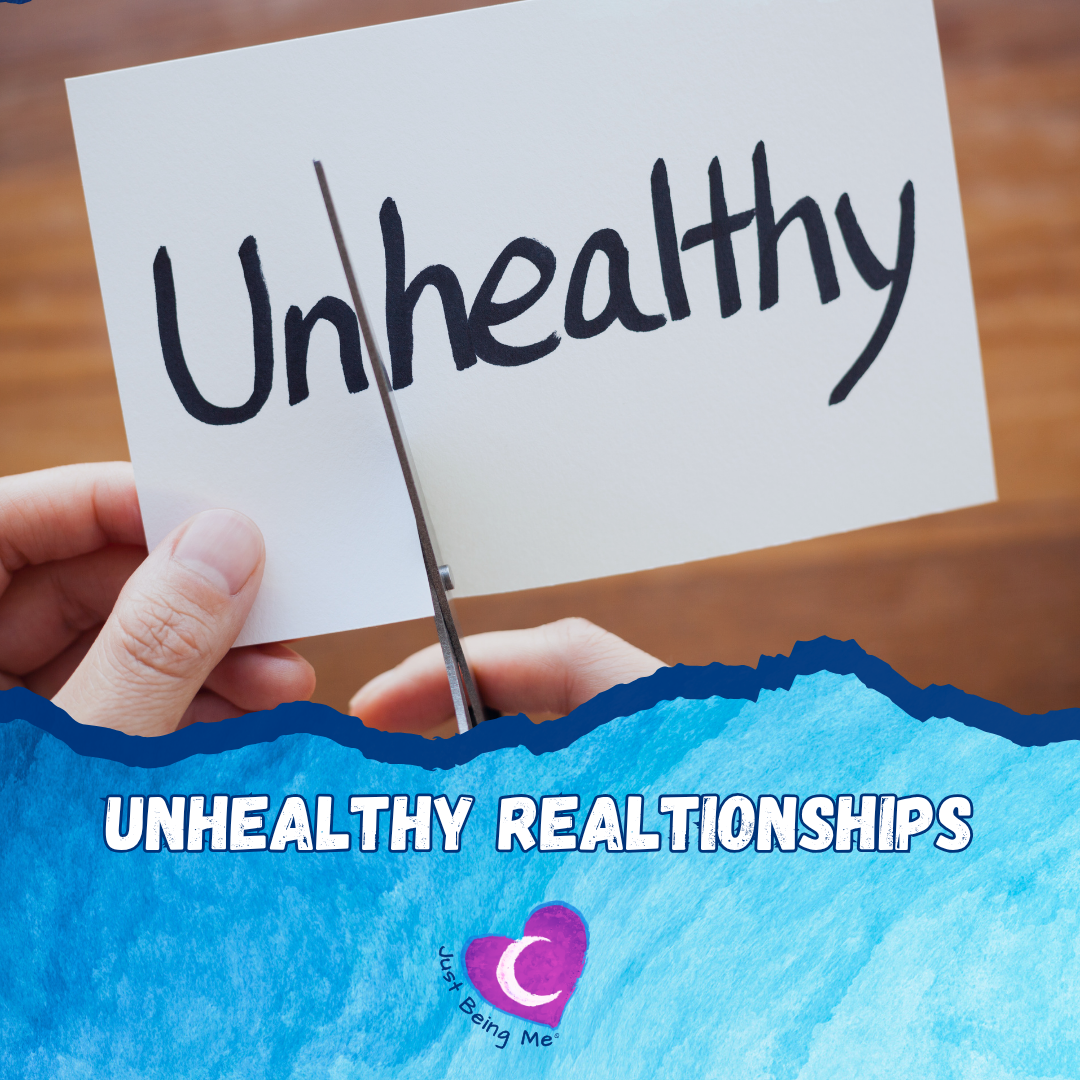
An unhealthy relationship is one that leaves you feeling drained, anxious, or uncertain about yourself rather than supported, valued, and safe. It’s not always obvious at first because unhealthy dynamics often build slowly, but over time they begin to erode your confidence and sense of identity.
Here’s what an unhealthy relationship can look like:
- You walk on eggshells
You find yourself constantly monitoring what you say or do to avoid upsetting the other person. You might feel nervous before speaking up or fear their reaction if you disagree with them. - Your needs don’t matter
You spend more time meeting the other person’s needs than your own. When you express how you feel, it’s dismissed, minimised, or turned back on you. You start believing your feelings are a problem rather than a signal that something’s wrong. - Control replaces respect
Control can come in many forms: emotional, financial, or social. It might look like someone checking your phone, deciding who you can see, or using guilt to influence your choices. You might feel like you’ve lost your independence but can’t quite pinpoint when it happened. - Criticism becomes normal
You’re criticised more often than you’re appreciated. The focus is on what you’ve done wrong, how you’ve fallen short, or how you could be “better.” This constant criticism chips away at your self-worth and leaves you questioning your value. - Boundaries aren’t respected
When you try to set boundaries, they’re ignored or met with anger. You might be told you’re selfish or cold for wanting space. Over time, you learn to stop setting boundaries altogether, which leads to resentment, exhaustion, and self-doubt. - You lose yourself
You start changing how you speak, act or even dress to keep the peace. You might stop spending time with certain people or doing things you enjoy because it’s easier than facing conflict. Slowly, you forget who you were before the relationship. - It feels inconsistent
The relationship swings between love and withdrawal, kindness and criticism. The good moments keep you hoping things will get better, but they’re often followed by tension or emotional distance. This unpredictability keeps you hooked in a cycle of highs and lows.
Unhealthy relationships aren’t just romantic. They can exist in friendships, family connections, or work environments. The common thread is that one person’s sense of power, needs, or emotions consistently outweighs the other’s.
The danger is that these dynamics become familiar. You start normalising the discomfort, excusing their behaviour, and questioning your own. But familiarity doesn’t equal safety.
A healthy relationship, by contrast, allows you to be yourself. It’s built on mutual respect, trust, honesty, and compassion. You feel heard, valued and supported, even during conflict. You can disagree without fear and still feel secure in the connection.
If you’re starting to recognise patterns of imbalance in your relationships, that awareness is the first step toward change. You can unlearn what feels “normal” and replace it with what’s truly healthy.
It Starts with Survival
When you enter an unhealthy relationship, your nervous system starts working overtime. You begin to adapt to the emotional climate around you, whether that’s walking on eggshells, over-explaining yourself, or changing your behaviour to avoid conflict. It might start with something small, like being told you’re too sensitive or that you’ve misunderstood something.
Each time this happens, your brain makes a mental note: “When I express myself, it causes trouble.” So you stop. You pull back, you soften your truth and you start second-guessing yourself. Over time, your brain learns that silence feels safer than honesty and compliance feels easier than confrontation.
That’s not weakness. That’s survival.
The Cycle of Reinforcement
Patterns of behaviour become ingrained through repetition. When you’re constantly criticised, blamed or dismissed, your brain starts predicting that same outcome even when you’re not in that relationship anymore.
For example, if you were told that you were the problem every time you raised a concern, your nervous system begins to link “speaking up” with “rejection or punishment.” So even in healthy relationships, you might freeze when conflict arises. You might apologise for things that aren’t your fault or overthink every message you send.
This isn’t you being difficult. It’s your brain running on programming it learned under pressure.
The Role of Conditioning
Unhealthy relationships condition you to meet someone else’s needs before your own. You learn to anticipate moods, soothe tension and take responsibility for another person’s behaviour. You stop asking, “What do I want?” and instead ask, “What will keep the peace?”
That’s how people-pleasing, self-doubt, and over-functioning are formed. They become the automatic patterns you run on because your brain associates those behaviours with safety.
It’s important to understand that these patterns are not who you are. They are responses to what you’ve been through. And because they were learned, they can be unlearned.
Why It Feels So Hard to Break Free
Even when you know a relationship is unhealthy, your body can still crave the familiarity of it. Chaos can start to feel like home when it’s all you’ve known. Calm can feel uncomfortable. Being treated with kindness can make you anxious because your brain hasn’t yet learned to trust it.
That’s why people often return to the same type of relationship, not because they want to, but because their nervous system is still searching for the safety it never had. Until you rewire that internal pattern, the familiar will always feel safer than the unknown.
Rewriting the Pattern
Breaking these patterns starts with awareness. Begin by noticing your automatic reactions. When you feel the urge to fix, please or apologise, pause. Ask yourself, “What am I afraid will happen if I don’t?”
That question creates space for choice. And in that space, healing begins.
Then, start to replace those old survival patterns with new ones that come from self-belief and self-worth. That might mean setting a boundary and holding it, even when it feels uncomfortable. It might mean allowing yourself to rest without guilt or reminding yourself daily that you deserve respect and that your needs matter.
Healing isn’t about blaming yourself for the patterns you developed. It’s about understanding them, forgiving yourself for needing them and learning to create new ones that reflect who you are now, not who you had to be to survive.
You Are Not Your Patterns
If this feels familiar, I want you to remember something important: you are not broken. You are a person who has adapted to survive. Those old patterns were once your protection. But they’re not needed anymore.
As you begin to shift your awareness, your brain starts to create new connections. You teach yourself that peace is safe. That boundaries don’t lead to punishment. That love doesn’t mean losing yourself.
The work isn’t always easy, but it is powerful. Because when you start unlearning the patterns you built to survive, you begin to remember who you were before you forgot yourself.
And that’s where real healing begins.
If this resonates with you, my 121 Self-Belief Coaching helps you identify the patterns that are still running your life and rebuild confidence from the inside out. You don’t have to keep repeating what hurt you. Change begins when you say yes to yourself.
👉 Find out more about 121 coaching https://jennyfield.co.uk/coaching-support/